Btec Group Pty Ltd is level 1 B-BBEE company which has been in Automotive, general engineering and maintenance industry for over 10 years. We have been the choice of both the public and private sector who seek best reliability, quality and safe services. Throughout the years Btec Group has been in front line providing solutions to the public, automobile workshops, mining companies and service stations of all sizes.
About Us
We directly handle machining and repairs of most automotive components, service and repair motor vehicles and also offer field services for open cast mining machinery. To date we have zero accidents due to service failure.
Our team
At Btec Group every person in our company is a member of the team and team player, with the expectation and need that they perform their duties to their fullest capacity and potential. Our team is built up of industry experts, some with over 39 years experience in the field of Automotive Engineering and related services and others with extensive experience in rebuilding and maintaining open cast mining machinery. Our Team consists of highly trained technicians with recognized skills qualifications.
We Pledge to
Improve our services continuously.
Archive complete customer satisfaction.
Providing quality training for our team.
Provide high quality, affordable services.
Respond immediately to the changing needs of our customers.
Be responsive to training needs of the community, business and industry.
Guide apprentices to be morally and socially responsive.
Link theory and practical information to benefit all the learners in our workplace/s.
Vehicle Service, Repairs and Maintenance
Our team offers service, repairs and maintenance (minor and major) for passenger cars, commercial vehicles, earth-moving machinery, variety of commercial and industrial generators, pumps and more. We also rebuild all sizes of engines and refurbish automotive, commercial and industrial components of all sizes.
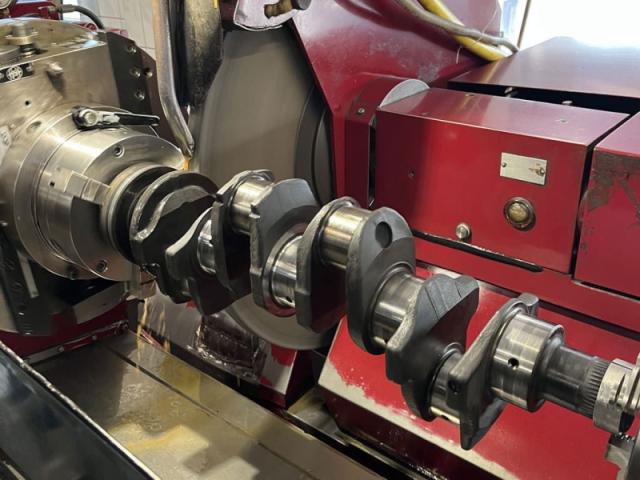
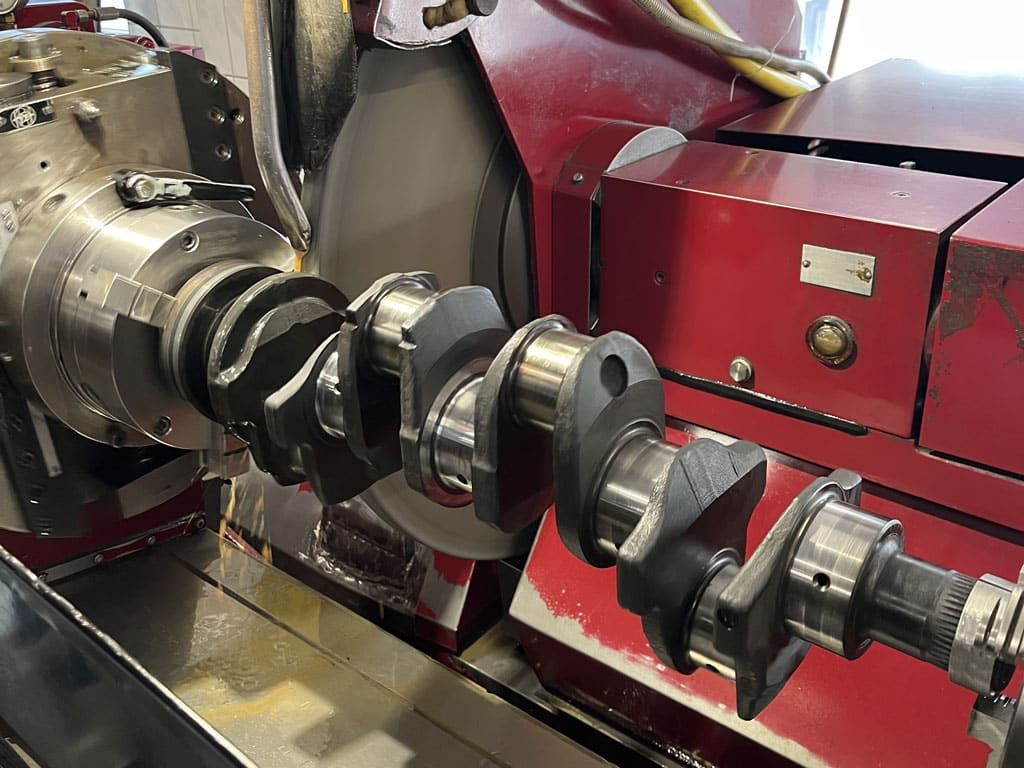
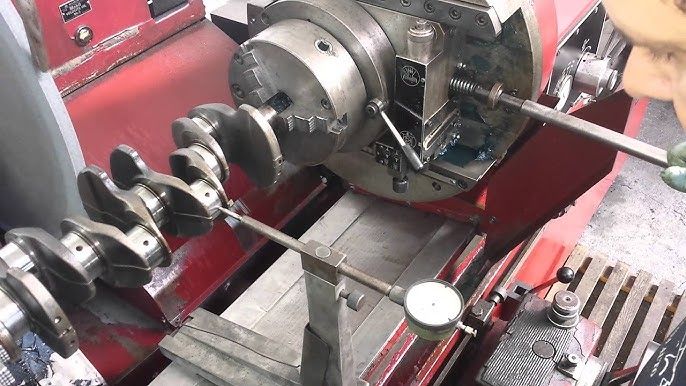
What is Crankshaft Grinding, and why is it needed?
Over time, an engine’s crankshaft rod and journals (where the pistons connect to the crankshaft) will become more abrasive due to normal wear, or even subtle damage caused by bearing decay and/or destruction. Smoother journals equal better efficiency and longer engine life.
The crankshaft grinding process consists of removing a tiny amount of material from the rod and main journals to rebuild the overall part back to OEM specifications. Having a perfectly smooth journal is essential to the efficiency of movement in the piston firing action of the engine. Therefore, the full multi-step crankshaft remanufacturing process is very intensive, but is critical to a complete engine rebuild.
Once the grind is completed, there is going to be quite a bit of excess clearance. This new clearance must be brought back to factory tolerances, because grinding makes the new journal size smaller. This is accomplished by installing new bearings which are sized to compensate for the clearance difference, providing proper OEM clearances for oil flow at the diameter of the journal.
Why should you go for Brake Skimming?
Before actually doing the process of skimming, our technician will measure the brake disc and make sure that there is enough surface to be skimmed. The technician will determine the surface thickness that is workable for your brake discs by looking at the manufacturer of your vehicle.
If the surface thickness of your brake discs are too thin, the technician will advise you to have it replaced because you need to comply with the regulations of the manufacturers and the road safety laws. If the surface thickness of your brake discs are thick enough to be worked on, the technician will go ahead and skim your discs.
Reasons for opting brake skimming
There are many reasons for opting brake skimming. Here are some of the issues it can solve:
It can stop your brakes from squealing.
It can stop existing corrosion issues in your discs.
It can remove the worn lip on your disc caused by repeated braking.
It can remove particles, rust and dust that might interfere with your vehicle’s capacity to brake.
It can solve the vibration issues of your brake system.
It can help you save money when servicing your vehicle.
It can keep your brake system from squeaking, squealing, juddering or pulsating.
It can remove friction debris or material that has been embedded into the brake disc.
It can enhance the performance of your brake system and keep you safe while driving.
It can offer you the most favorable braking whenever you change the brake pads.
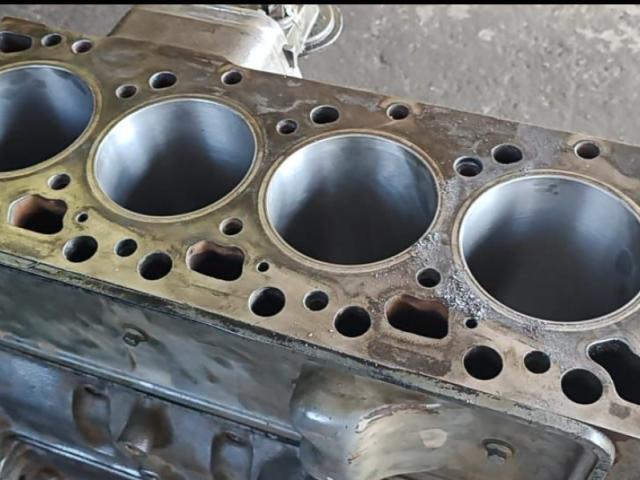
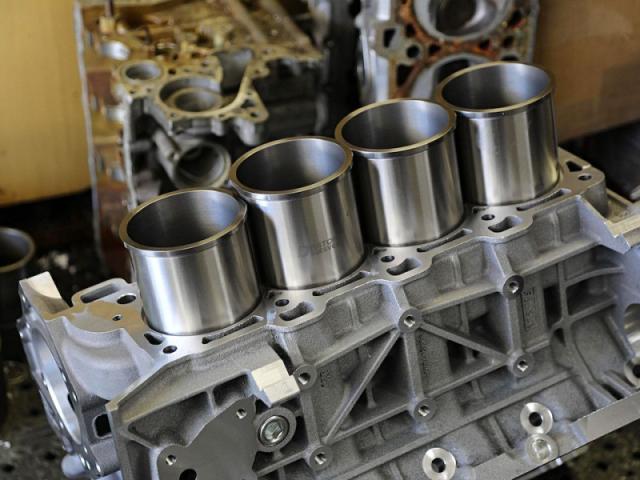
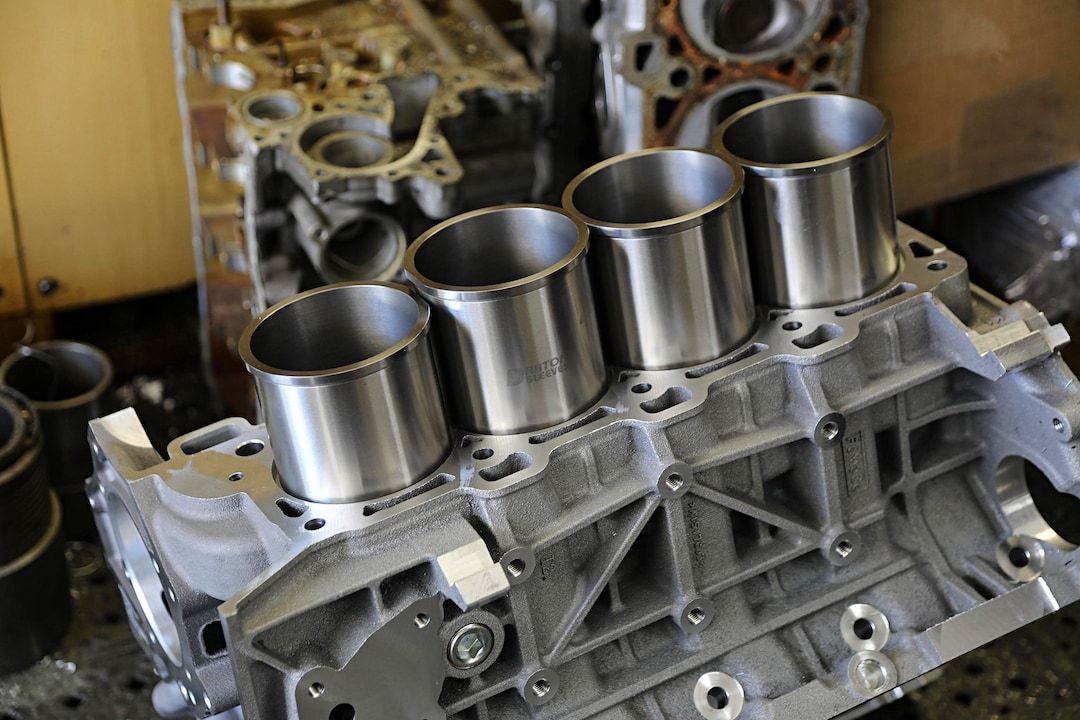
What does Sleeving Engine Block do?
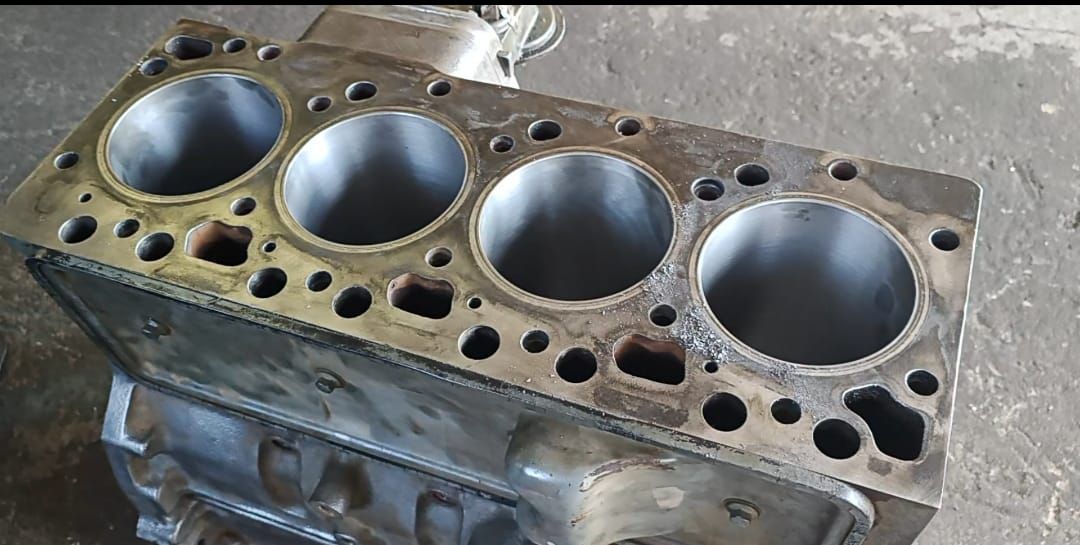
Engine block sleeves are routinely used in the maintenance and repair of a vehicle’s engine cylinders. They fit over the cylinder’s original casing to bring it back up to its intended circumference and keep it in place so it can perform to its highest standard.
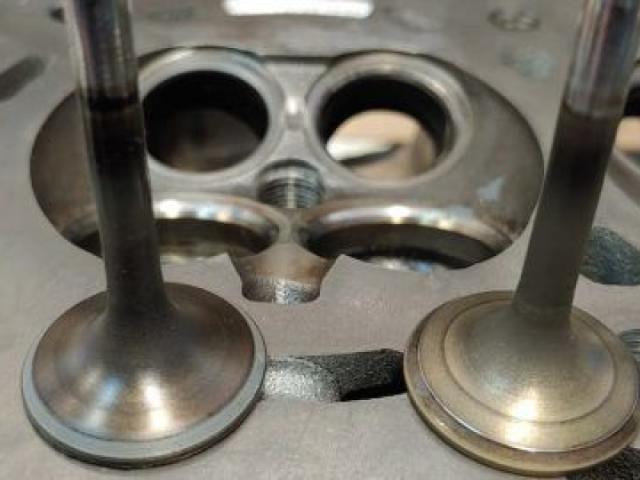
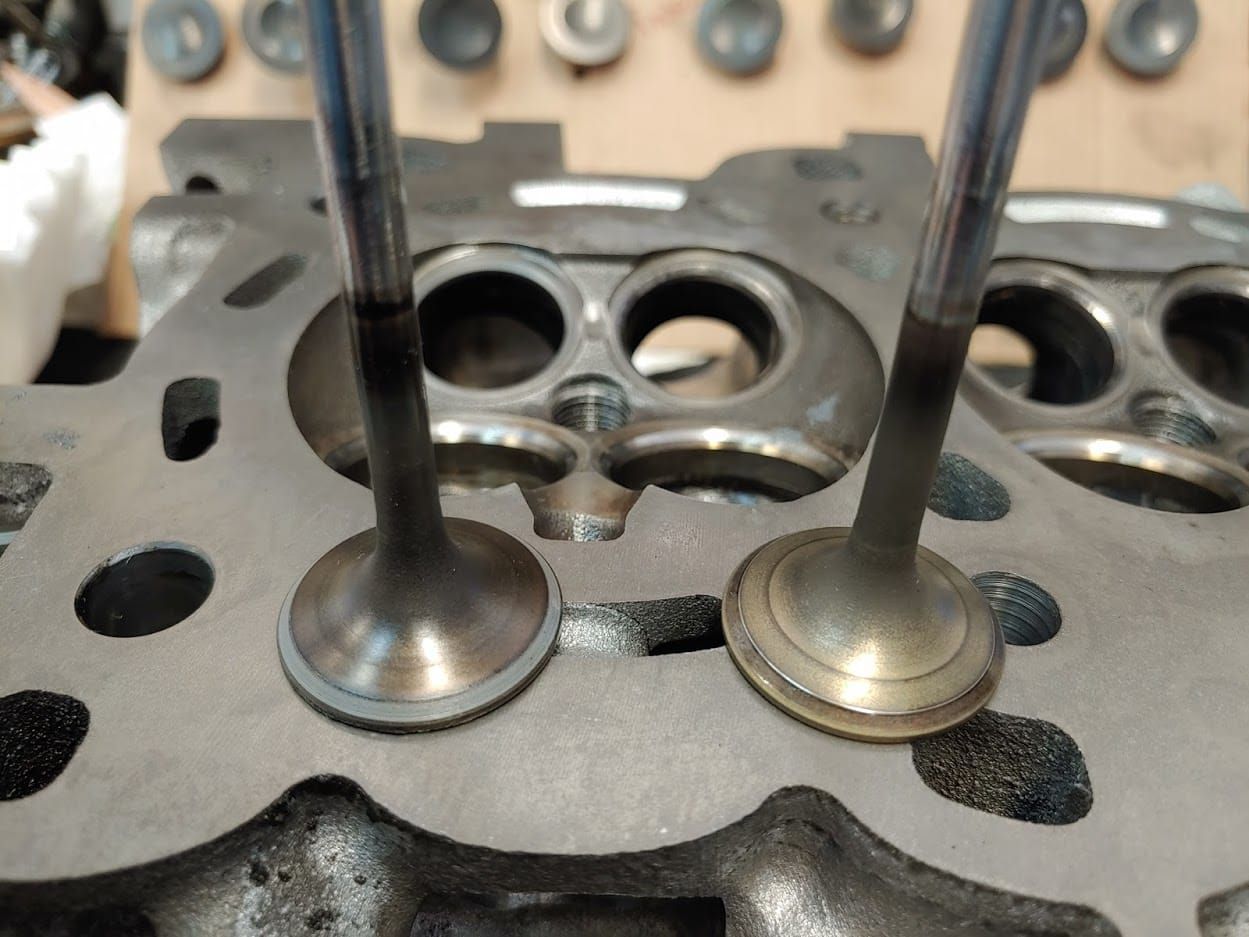
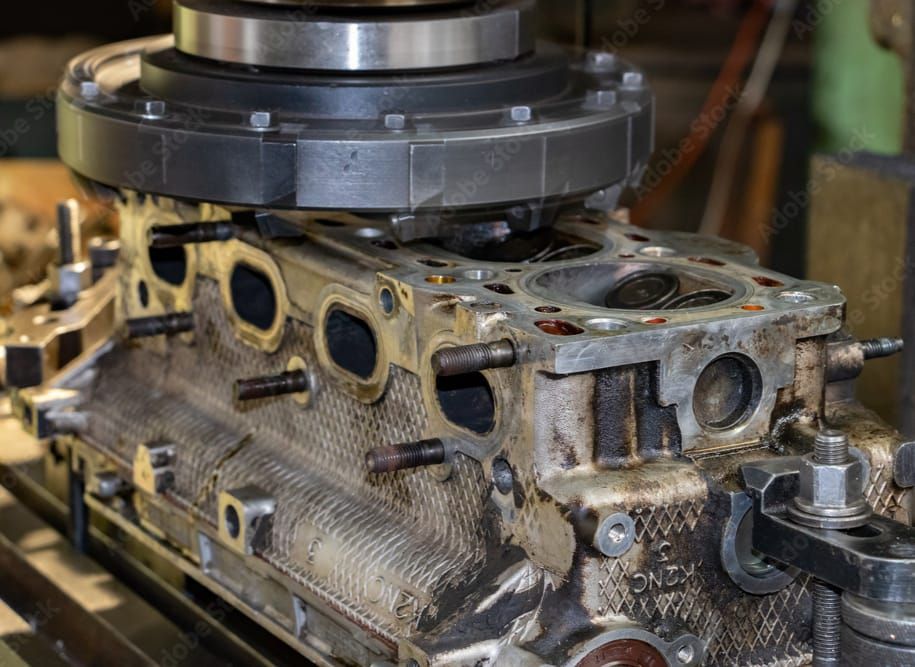
Why Reconditioning your Cylinder Head?
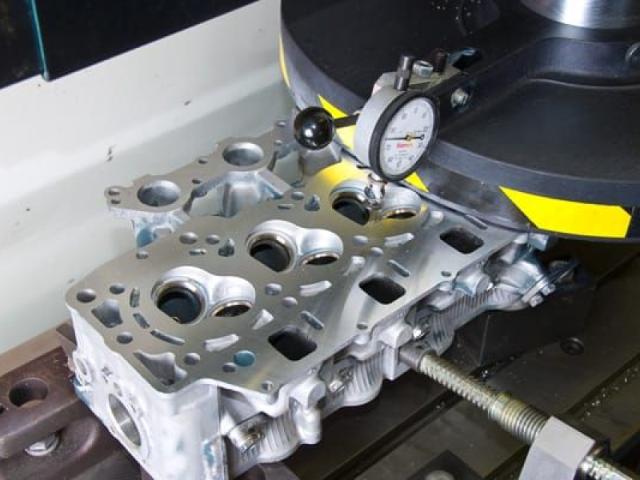
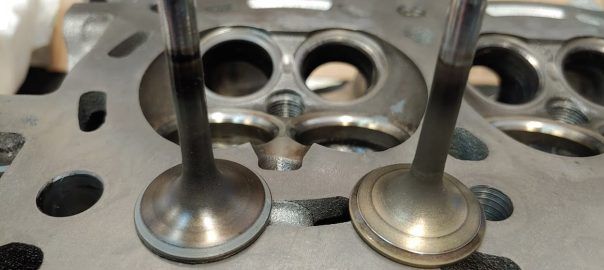
When the cylinder head is reconditioned, it can provide increased power and torque. A more efficient combustion process, improved airflow, and optimized valve timing enable the engine to produce more power, improving performance and efficiency in a variety of driving situations.
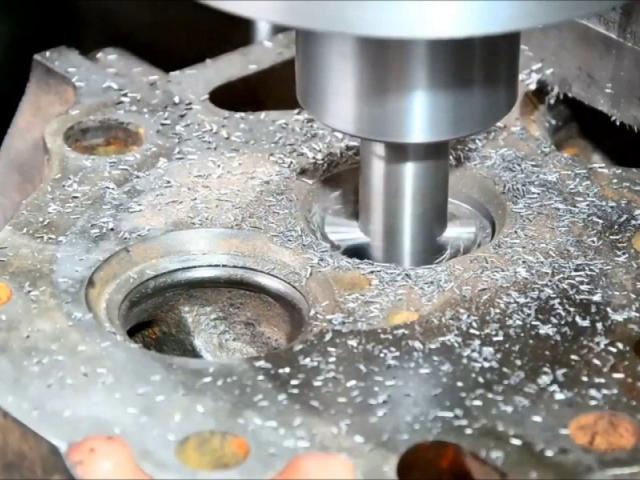
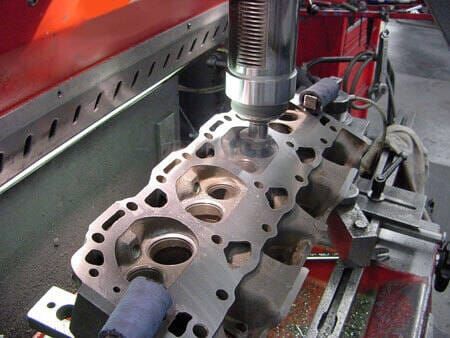
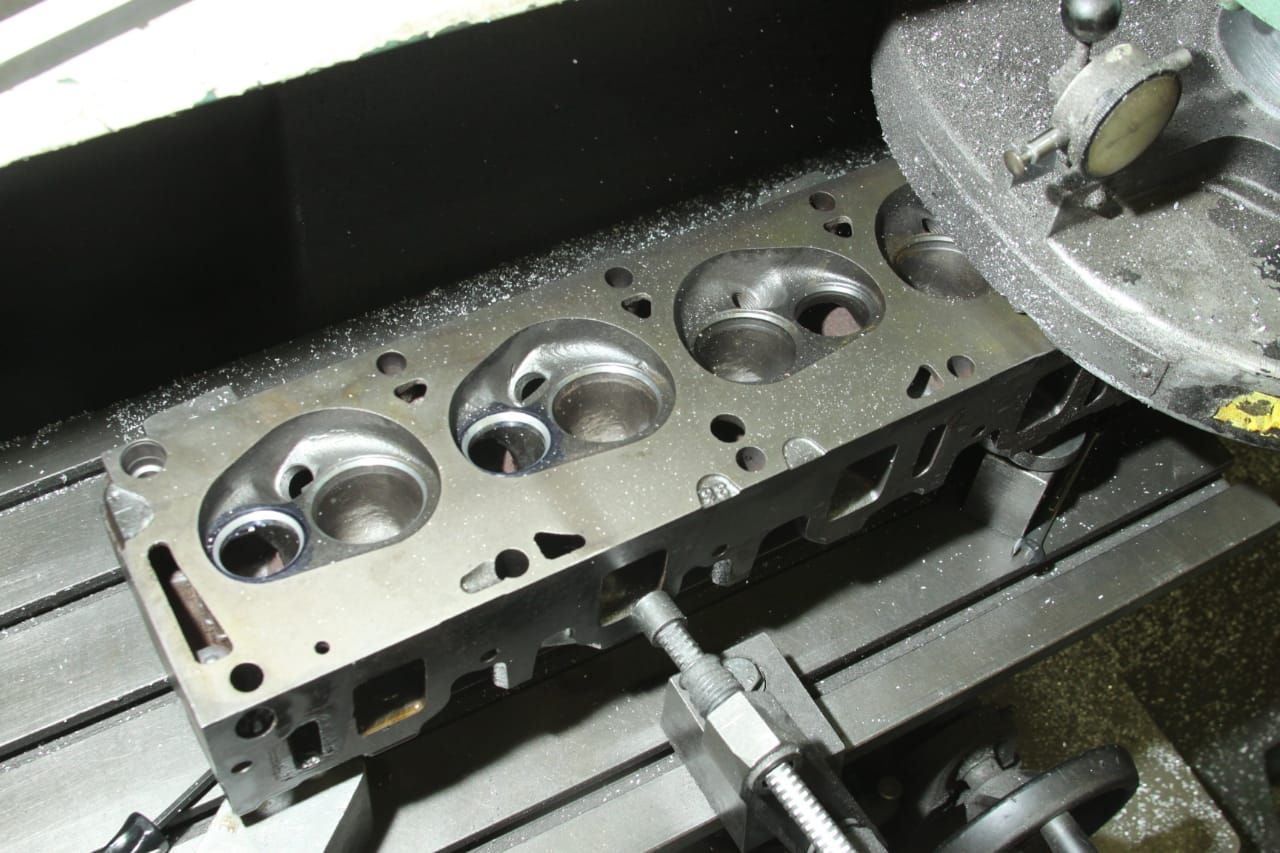
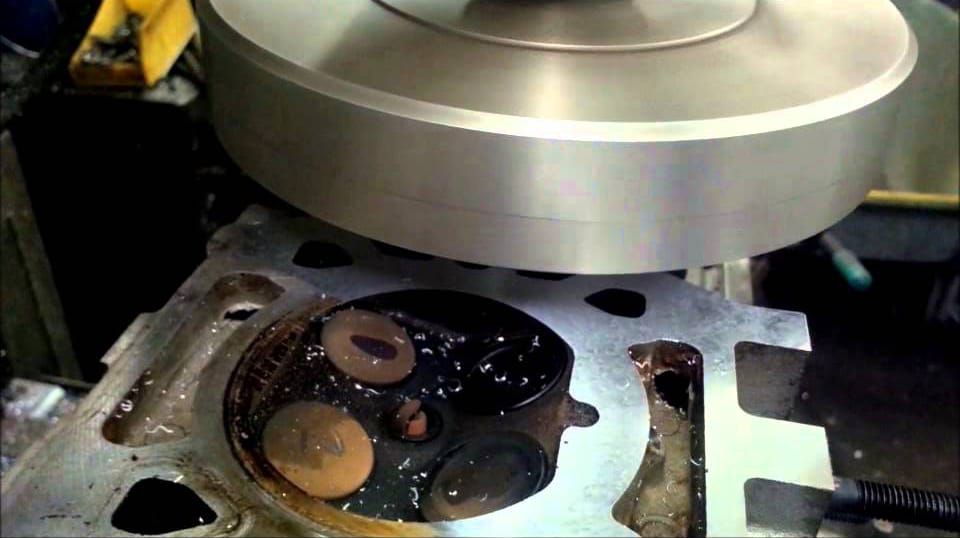
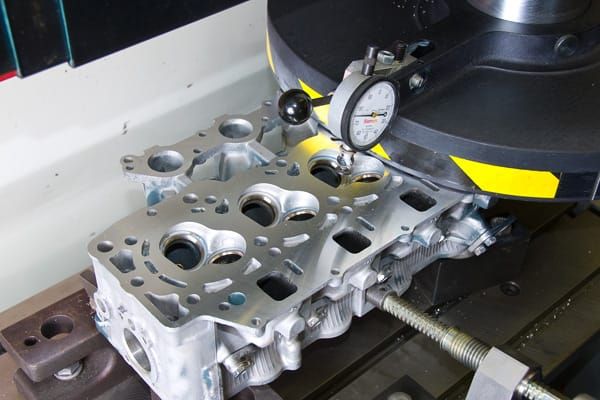
Why have your Cylinder Head Skimmed?
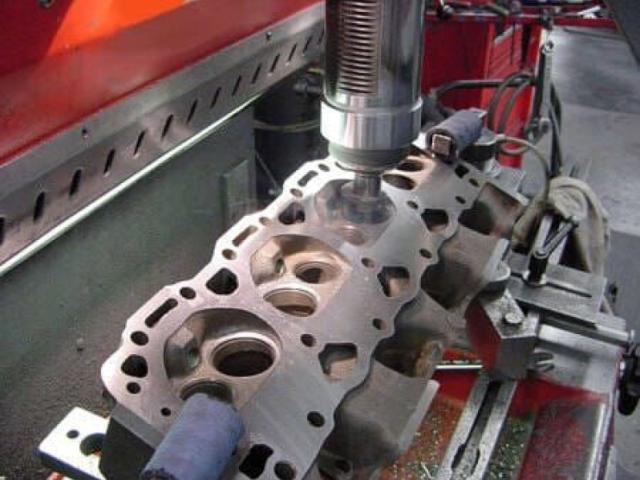
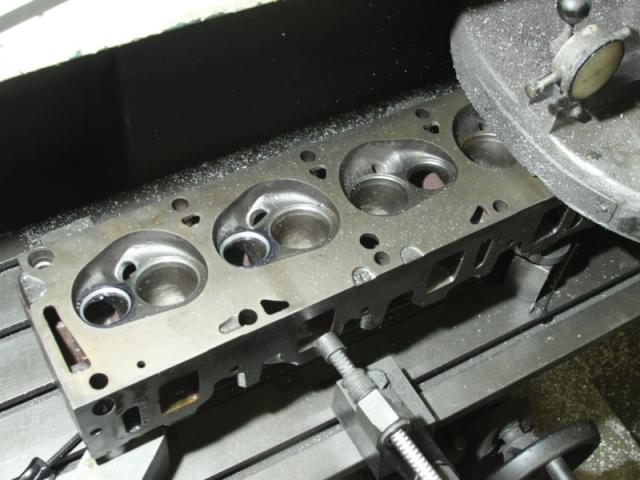
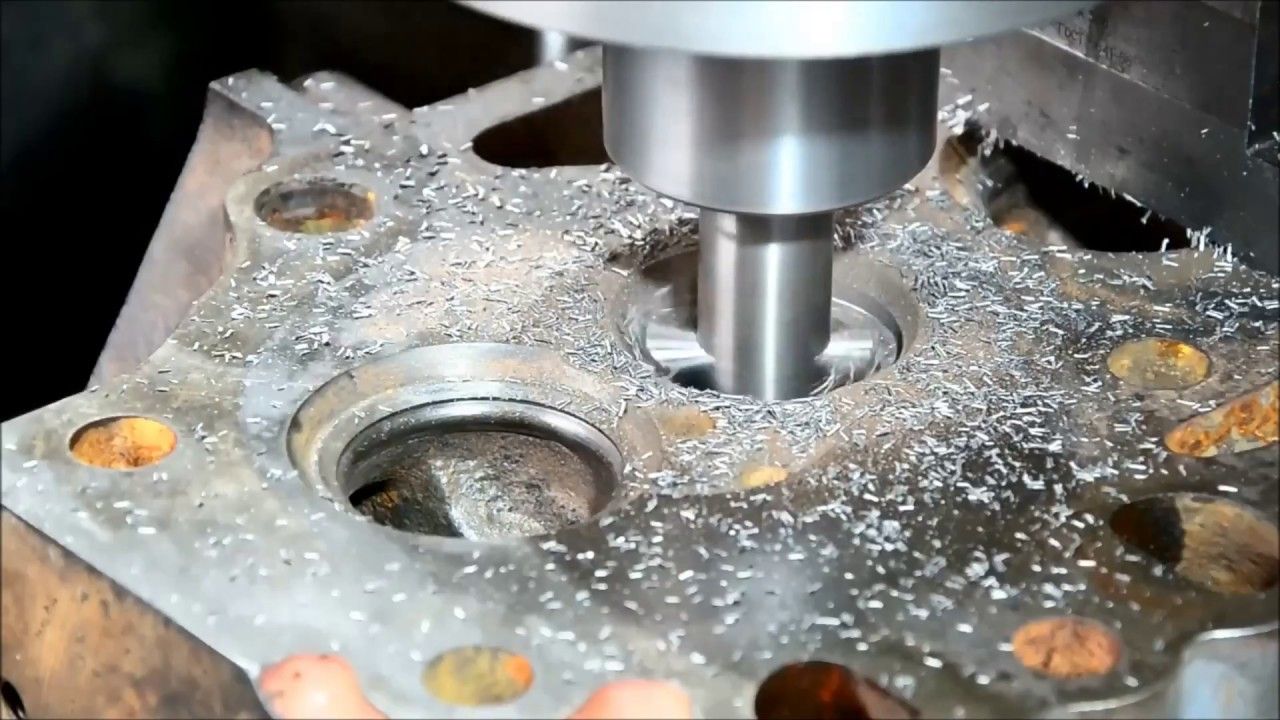
When a petrol or diesel engine overheats, usually from a lack of coolant caused by things such as water pump failure or a radiator leak, the cylinder head often becomes distorted or wrapped. If this cylinder head is refitted without being refaced or skimmed, then the repair will often fail and the head gasket will not be properly compressed and a sufficient seal will not be created.
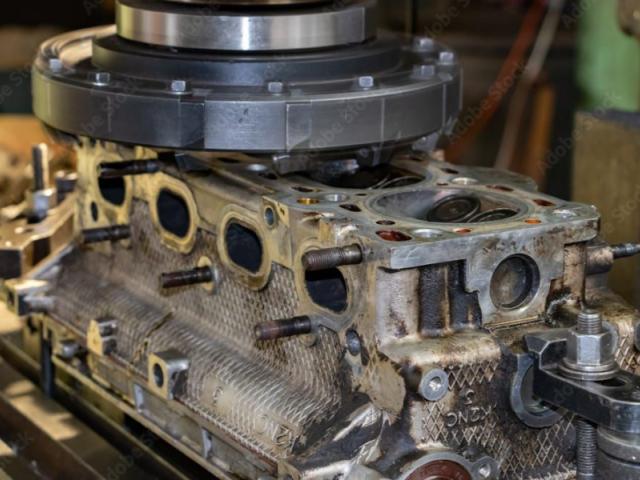
The operation of skimming the head creates a new flat surface and removes the risk of future failure.
In a modern engine, the tolerance of the cylinder head should be less than around 75 microns. This fine tolerance is because the head gaskets used in modern engines are usually multi-layered steel gaskets, which are much thinner than older-style head gaskets and require much greater accuracy.